Frequently Asked Questions About Our Services
Commonly Asked Questions and Answers About Land Clearing
1. What is land clearing?
Land clearing is the process of removing trees, stumps, brush, stones, and debris from a piece of land to prepare it for construction, farming, or other uses.
2. Why is land clearing necessary?
Land clearing is necessary to create space for building structures, landscaping, agriculture, or development projects. It also helps in removing unwanted vegetation that might pose fire hazards or hinder land use.
3. What methods are used for land clearing?
Common methods include mechanical clearing (using bulldozers, excavators, or tractors), manual clearing (using chainsaws or hand tools), controlled burning, and chemical clearing with herbicides.
4. Is land clearing environmentally harmful?
Land clearing can impact the environment by disrupting habitats, causing soil erosion, and reducing biodiversity. Proper planning and sustainable practices can mitigate these effects.
5. Do I need a permit for land clearing?
Permit requirements vary by location. It’s important to check with local government or environmental agencies before beginning land clearing to ensure compliance with regulations.
6. How long does land clearing take?
The duration depends on the size of the area and the method used. Small sites might take a few days, while larger acres could require weeks.
7. Can I clear land myself?
Yes, for small areas and if you have the proper tools and knowledge. However, for larger or more complex sites, hiring professionals is recommended for safety and efficiency.
8. What happens to the cleared vegetation and debris?
Cleared materials can be mulched, composted, chipped, hauled away, or burned, depending on local regulations and environmental considerations.
9. How much does land clearing cost?
Costs vary widely depending on land size, clearing difficulty, method, and location. It’s advisable to get multiple quotes from experienced contractors.
10. How can I minimize environmental impact during land clearing?
To reduce impact, consider selective clearing, protecting water sources, controlling erosion, and planning for replanting or restoration of the area.
Commonly Asked Questions and Answers About Excavating Services
1. What are excavating services?
Excavating services involve the removal, digging, and moving of earth, rocks, or other materials to prepare a site for construction, landscaping, or other purposes.
2. What types of equipment are used in excavating?
Common equipment includes excavators, backhoes, bulldozers, skid steers, trenchers, and dump trucks.
3. When do I need excavating services?
Excavating services are needed for site preparation, foundation digging, trenching for utilities, grading land, landscaping, and demolition projects.
4. How do excavating services help in construction?
Excavators prepare the land by digging foundations, trenches, and basements, removing debris, and ensuring proper site grading for drainage and structural stability.
5. Are there any permits or regulations for excavating?
Yes, excavating often requires permits and must comply with local regulations regarding safety, environmental protection, and utility locations. Always check with local authorities before beginning work.
6. How long does an excavation project take?
Duration depends on the project size and complexity. Small projects can take a few hours to days, while larger projects might span weeks.
7. Is excavation hazardous?
Excavation can be dangerous due to risks of cave-ins, equipment accidents, and underground utilities. Professional operators and safety measures are essential.
8. Can I rent excavation equipment and do the work myself?
Yes, equipment can be rented, but operating heavy machinery requires training and experience. For safety and efficiency, hiring professionals is recommended.
9. How much do excavating services cost?
Costs vary based on project size, location, soil type, equipment needed, and project complexity. Getting multiple quotes can help find the best price.
10. How do excavators handle underground utilities?
Before digging, locating and marking underground utilities (electric, water, gas) is critical to avoid damage and ensure safety. Professional excavators coordinate with utility companies for this.
Commonly Asked Questions and Answers About Hauling Services
1. What are hauling services?
Hauling services involve the transportation and removal of materials such as debris, construction waste, dirt, gravel, or other goods from one location to another.
2. What types of materials can hauling services handle?
Hauling services can handle a variety of materials, including construction debris, yard waste, scrap metal, soil, rocks, machinery, and household junk.
3. What kind of vehicles are used in hauling services?
Common vehicles include dump trucks, flatbed trucks, roll-off containers, box trucks, and trailers, depending on the material and volume.
4. When should I hire hauling services?
Hauling services are useful during construction, demolition, landscaping, moving large items, or cleaning out homes, garages, or yards.
5. Do hauling services include disposal?
Many hauling services include hauling and disposal, ensuring materials are taken to appropriate recycling centers, landfills, or donation centers.
6. How much do hauling services typically cost?
Costs vary based on the type and amount of material, distance, and disposal fees. Pricing can be by the load, weight, or hour.
7. Are there any restrictions on what can be hauled?
Yes, hazardous materials like chemicals, asbestos, certain paints, and flammable items are often restricted. It’s best to check with the hauling company beforehand.
8. How do I prepare items for hauling?
Organize and separate materials by type, secure them properly, and remove any prohibited items. For bulky or heavy materials, the hauling company can provide guidance.
9. Can hauling services handle large or heavy equipment?
Yes, many hauling companies are equipped to transport heavy machinery and oversized loads with the proper permits.
10. How quickly can hauling services be scheduled?
Scheduling depends on availability, but many companies can arrange same-day or next-day services, especially for urgent needs.
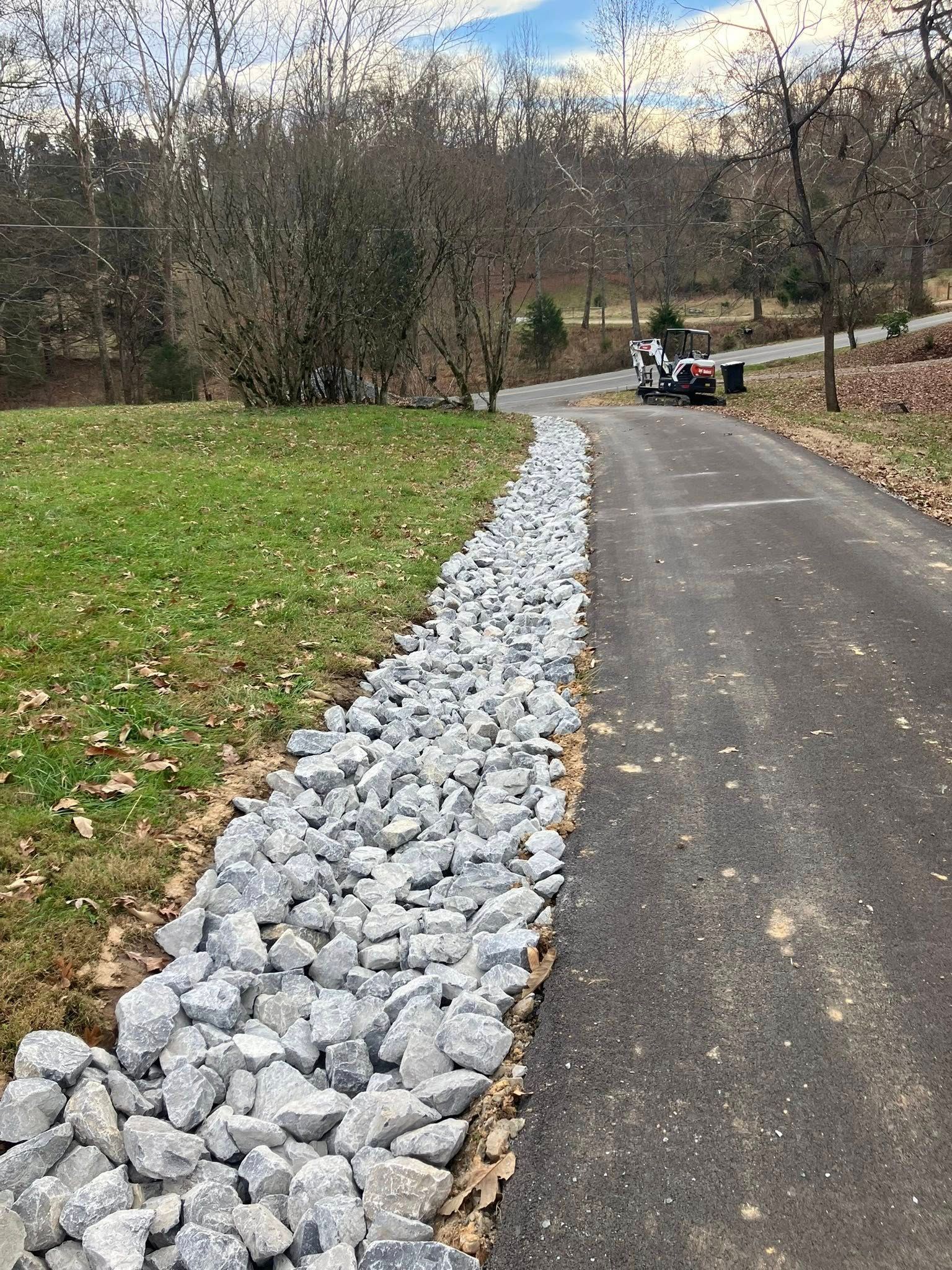
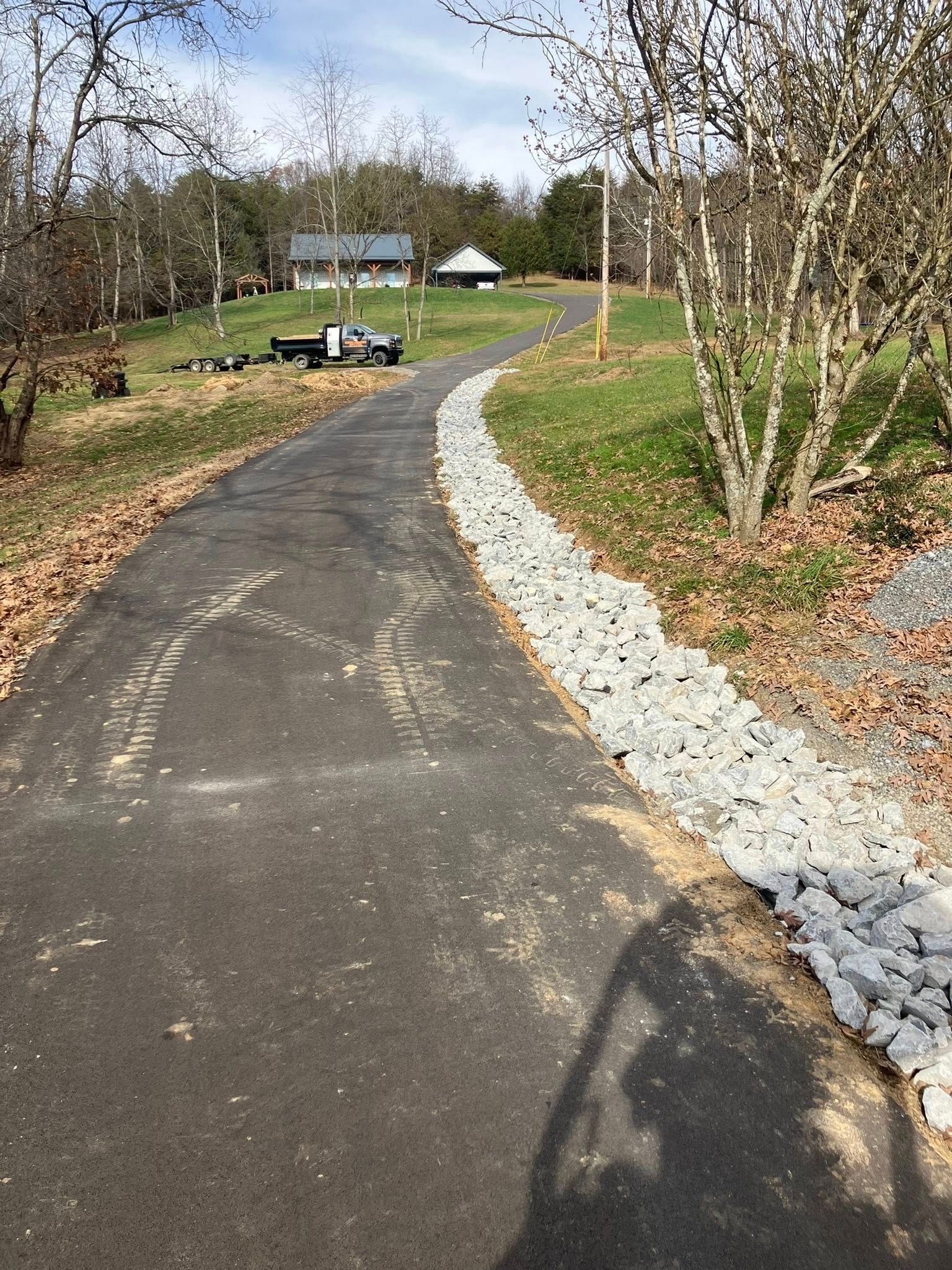
Commonly Asked Questions and Answers About Drainage Line Services
1. What are drainage line services?
Drainage line services involve the installation, repair, cleaning, and maintenance of pipes and systems that carry excess water away from your property to prevent flooding and water damage.
2. Why are drainage lines important?
Proper drainage lines help prevent water accumulation that can cause foundation damage, soil erosion, mold growth, and other structural issues in homes and buildings.
3. What types of drainage lines are there?
Common types include French drains, surface drains, stormwater drains, gutter downspouts, sewer lines, and sump pump systems.
4. How do I know if my drainage lines need repair?
Signs include slow drainage, pooling water near the foundation, unpleasant odors, wet or moldy areas, cracks in walls or floors, and foul smells from drains.
5. Can drainage lines become clogged?
Yes, debris such as leaves, dirt, roots, and sediment can clog drainage lines, causing blockages and backups.
6. How are drainage lines cleaned?
Cleaning methods include snaking, hydro jetting (high-pressure water cleaning), or using specialized cameras to locate and remove blockages.
7. Do I need to hire a professional for drainage line services?
While some basic maintenance can be DIY, professional services ensure thorough inspection and proper repairs and prevent future issues, especially for complex drainage systems.
8. How often should drainage lines be inspected or cleaned?
It’s recommended to inspect and clean drainage lines annually or if you notice any drainage problems.
9. What is the cost of drainage line services?
Costs vary depending on the type of service (cleaning, repair, or installation), extent of the problem, and location. Getting multiple quotes is advisable.
10. Can drainage lines be installed in existing landscapes?
Yes, drainage lines can be retrofitted or installed in existing properties, but the process may be more complex and require careful planning.
Commonly Asked Questions and Answers About Septic System Installation
1. What is a septic system?
A septic system is an underground wastewater treatment system commonly used in areas without centralized sewer systems. It typically consists of a septic tank and a drain field.
2. How long does septic system installation take?
Installation usually takes 1 to 3 days, depending on the size of the system, site conditions, and local regulations.
3. How much does it cost to install a septic system?
Costs vary widely by location and system type but typically range from $3,000 to $10,000 or more.
4. Do I need a permit to install a septic system?
Yes, permits are generally required and must be obtained from your local health or environmental department before installation.
5. How do I know if my soil is suitable for a septic system?
A soil test, or perc test (percolation test), is done to determine if the soil can adequately absorb and treat wastewater.
6. What is the lifespan of a septic system?
With proper maintenance, a septic system can last 20 to 30 years or longer.
7. How often should a septic tank be pumped?
Typically every 3 to 5 years, but this depends on tank size, household size, and water usage.
8. Can I install a septic system myself?
Installation should be performed by certified professionals to ensure compliance with regulations and proper functioning.
9. What factors affect the location of the septic system?
Factors include soil type, water table depth, proximity to water sources, property size, and local regulations.
10. What maintenance is required after installation?
Regular inspections, pumping the tank as needed, conserving water, avoiding disposing of harmful chemicals, and protecting the drain field area.
Commonly Asked Questions and Answers About Drain Line Work Installation and Repair
1. What is a drain line?
A drain line is a pipe that carries wastewater or stormwater away from your home or property to a sewer system, septic tank, or drainage area.
2. How do I know if my drain line needs repair?
Signs include slow drainage, frequent clogs, foul odors, sewage backups, wet spots in the yard, or unusual sounds from drains.
3. What causes drain line damage?
Common causes include tree root intrusion, pipe corrosion or cracking, clogs from grease or debris, ground shifting, and poor initial installation.
4. Can I repair a drain line myself?
Minor clogs can sometimes be cleared with a plunger or drain snake, but major repairs or replacements should be handled by professionals.
5. How long does drain line installation or repair take?
Depending on the extent of the work, it can take a few hours to several days.
6. What materials are used for drain lines?
Common materials include PVC, cast iron, ABS plastic, and sometimes clay or concrete pipes.
7. How much does drain line repair or installation cost?
Costs vary widely based on the size of the job, material, and labor, but repairs often range from a few hundred to several thousand dollars.
8. What methods are used for drain line repair?
Options include traditional pipe replacement, trenchless repair methods like pipe lining or pipe bursting, and spot repairs.
9. How can I prevent drain line problems?
Avoid flushing inappropriate items, dispose of grease properly, schedule regular inspections, and address tree root issues near pipes.
10. Do I need a permit for drain line installation or repair?
Permitting requirements vary by location; it’s best to check with local authorities before beginning work.